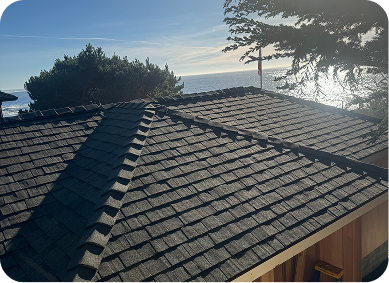
How to Maintain Your Roof Year-Round
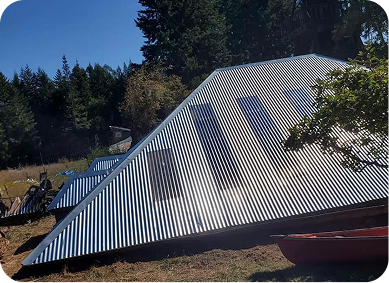
Your roof works 24/7 to protect your home from changing seasonal weather. From blistering summer heat to heavy winter downpours and autumn leaf falls, each season brings unique challenges to your roofing system.
Taking a seasonal approach to maintenance is the best way to prevent unexpected leaks and extend the life of your shingles. Here is your ultimate year-round roof maintenance checklist.
Spring: The Post-Winter Assessment
After a harsh winter, spring is the perfect time to evaluate how well your roof held up against heavy rain and winds.
-
Inspect for Damage: Check for missing, cracked, or curling shingles that might have been compromised by winter storms.
-
Clear the Gutters: Winter often leaves behind mud, twigs, and built-up grime. Clean your gutters to ensure they are free-flowing before spring showers arrive.
Summer: Heat and Ventilation Check
Summer brings high temperatures and strong UV rays, which can take a toll on roofing materials.
-
Check Attic Temperatures: If your attic feels like an oven, your roof ventilation might be blocked. Proper airflow prevents heat from baking your shingles from the inside out.
-
Examine Flashings: Inspect the metal flashing around chimneys, vents, and skylights. High heat can cause sealant to dry out, crack, or pull away.
Autumn: Debris Control and Preparation
Fall is the most critical season for roof maintenance, especially if your property is surrounded by tall trees.
-
Keep the Surface Clear: Falling leaves and pine needles trap moisture on your roof, encouraging moss growth and rotting shingles. Regularly clear this debris off the roof valleys.
-
Final Gutter Flush: Ensure gutters and downspouts are entirely clear of autumn leaves so heavy winter water can drain instantly without backing up under your shingles.
Winter: Moisture and Drainage Monitoring
Winter is all about managing water flow and preventing leaks during heavy, continuous downpours.
-
Monitor Drainage: Ensure water isn’t pooling anywhere near the foundation or backing up onto the roof edges.
-
Look for Interior Signs: Periodically check your ceilings and attic for any sudden dark spots or dampness, catching leaks at the very beginning.